
Listening to the ABC on the way home today, I caught an interesting feature about a recent research report. Apparently researchers from someplace (probably Scandinavia) worked out that people react most positively to music that has a combination of expected and surprise elements. I’m not an expert on musical composition, but that made sense, and I recognised a pattern I’ve also seen in writing.
First, the expected. When I was working on the New Zealand Historical Atlas in the 1990s we often talked about the ‘Jock Factor’, named after a historian who acted as an advisor to the project. We wanted to subvert everything, and he kept telling us that we had to give the readers what they expected. ‘You gotta put Captain Cook in there!’ (We didn’t want to, but we compromised and produced a plate entitled ‘On the Margins’ in which he barely features.) So now, whenever I hear this kind of advice, I think of Jock. Yeah, Jock, I guess we have to give people at least some of what they expect. Or, more accurately, we have to give them most of what we set up. If I position two armies opposite each other, I’d better provide the readers a battle. If the love interests finally meet and the sun’s setting behind them, they’d better kiss. Readers don’t like it when you withhold the payoff.
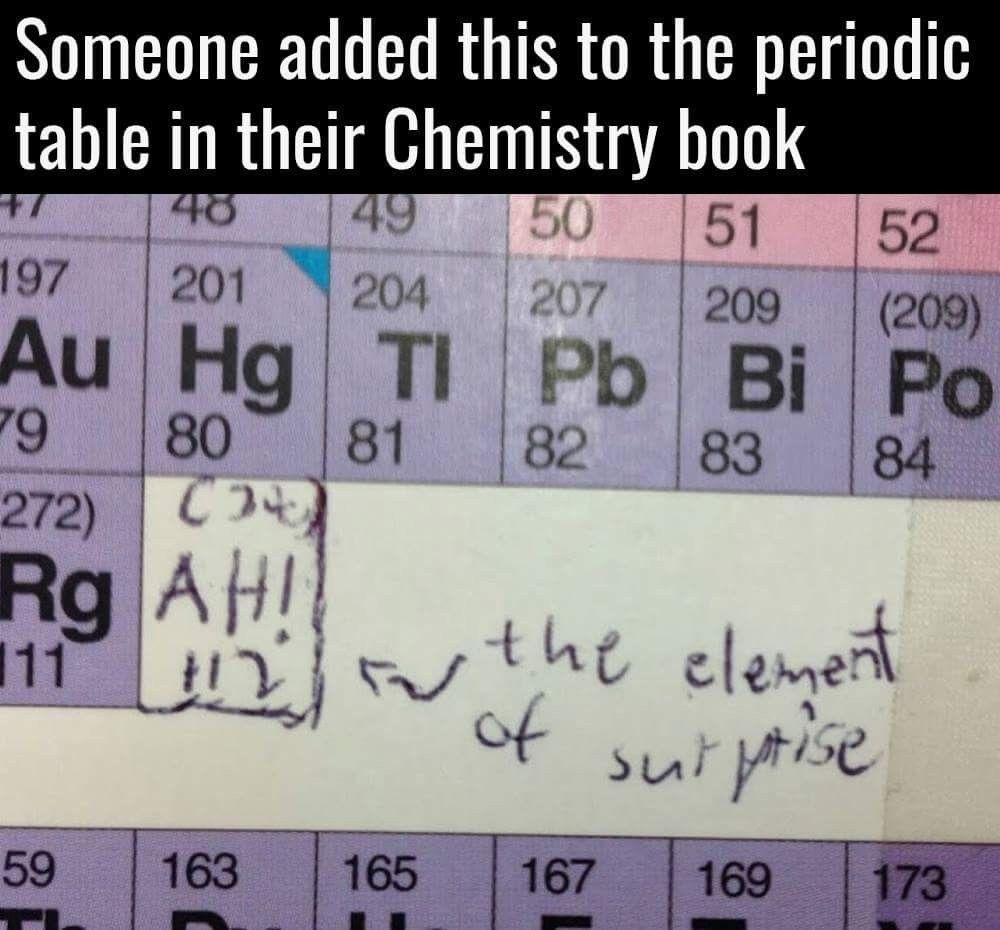
Or I can do something unexpected, but it had better be good. These are the memorable new moments in pop music, the Beatlesque moments that saved them from being another formulaic rock and roll band. The opening chord of ‘A Hard Day’s Night’, the piccolo trumpet solo in “Penny Lane’, the last four minutes of ‘Hey Jude’. And not just the Beatles, of course: I just have to say ‘I see a little silhouetto of a man’ and you’re remembering the most left-field, unexpected diversion in all of #1 singles history. More than just a plot twist, these are moments that take the narrative or character in an unexpected but satisfying direction. And they are very hard to do when writing a novel, for the following reason…
…most novels aren’t written by people at all. They’re written by the genre. Every time I sit down to write the memories of the two thousand books I’ve read dictate the next line to me, or the next plot development, or the next character. They mitigate against the unexpected and turn our work, no matter how original the idea, into a pastiche of what we’ve read. I’ve worked hard to get into the habit of rejecting the first sentence my brain comes up with. And the second. Or, if I need to make progress, writing it down on the understanding it must be replaced. Damn it, I’m writing this book, not the genre. Get out of my head!
How about this, then. Creative tension is the balance between comfort and originality, between the expected and the surprising. Staying on the leading edge of this tension takes effort, and is one of the main reasons writing is hard.
 insanemapboy
Leave a comment